Breaking the Monopoly: The Global Race for Rare Earth Sovereignty
2/21/20142 min read
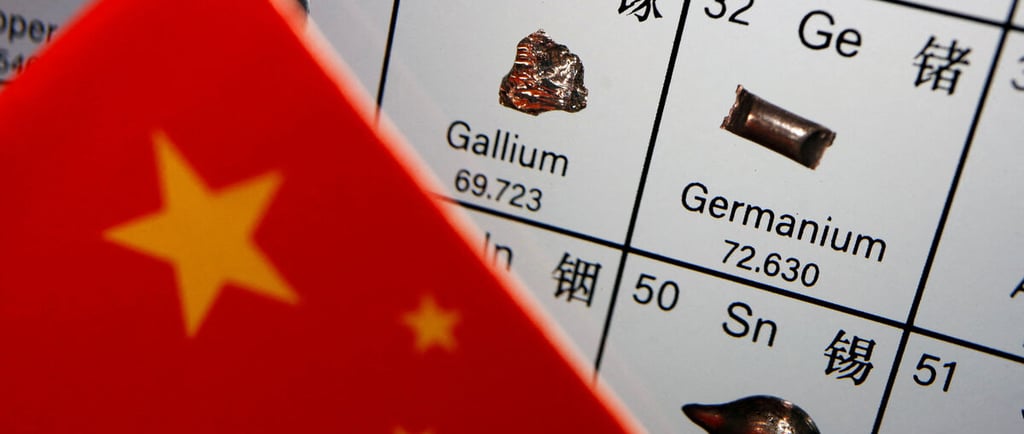
For decades, the world lived with a simple, uncomfortable reality: if you needed rare earths to build a missile, an iPhone, or a wind turbine, you had to go through China. It was a fait accompli. Beijing didn’t just happen to have the deposits; they built the factories, trained the engineers, and locked down the patents while the West was looking the other way.
Today, the wake-up call is loud and bruising. From Washington to Brussels, the message has shifted from a whisper to a scream: we need to break this monopoly, and we need to do it now.
The Strategic Choke Point
Let’s be clear: rare earths aren’t actually that "rare." You can find them almost everywhere. The real nightmare is the processing. Extracting these elements from the earth is a chemical horror show—a messy, complex operation that requires massive infrastructure and a high tolerance for environmental risk.
China accepted that "dirty work" for thirty years. The result? They now hold a "kill switch" over the global tech economy. One hint of export quotas from Beijing, and entire sectors of defense and green energy freeze up. This is the definition of a strategic choke point.
The New "Great Game"
We are witnessing a 2.0 version of the gold rush, but this time, the shovels are made of massive government subsidies. This isn’t just trade anymore; it’s about national survival.
The American Pivot: With the Inflation Reduction Act, the U.S. is pouring billions into reopening mines like Mountain Pass and, more importantly, building refining units on home soil. The goal? Stop relying on a systemic rival for their own military hardware.
The European Gamble: Europe, the world champion of regulation, is playing catch-up with the Critical Raw Materials Act. The target is ambitious: extracting 10% of their needs domestically by 2030. It’s a bold move, but a risky one given how slowly mining permits move in the EU.
"Friend-shoring": The era of happy globalization is over. We’re seeing a shift toward alliances between "reliable" partners. Canada, Australia, and Vietnam are the new favorites for a supply chain that carefully avoids Chinese influence.
Why Saying Goodbye to Beijing is So Hard
If this were easy, it would have happened a decade ago. You don't dismantle a thirty-year monopoly in one election cycle.
The Time Gap: It often takes 15 years to go from discovering a deposit to shipping the first ton of processed oxide.
The Price of Cleanliness: Producing rare earths "the right way" (with high ESG standards) is expensive. Someone has to pay that premium on the final invoice.
Price Warfare: A monopoly can flood the market at any time, crashing prices and bankrupting new Western competitors before they even turn a profit.
The Bottom Line
Sovereignty in the 21st century isn't just measured in square miles or troop counts. It’s measured by your seat at the table of the periodic elements. Breaking the monopoly isn’t an "option" for the West—it’s a prerequisite for staying relevant in the next industrial age.